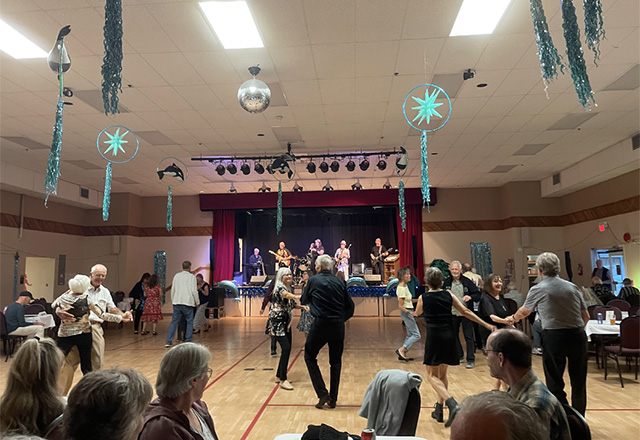
 For Sechelt seniors with limited relatives nearby, and for caring neighbours, friends, and community members who worry about them, the hardest part of aging often isn’t a big crisis, it’s daily life management and the quiet slide into social isolation in seniors. Small challenges in independent living can stack up fast: getting around safely at home, keeping routines steady, and feeling connected enough to leave the house with confidence. When support feels scattered, independence can start to feel fragile, even for capable people. Steady, local encouragement can help seniors stay grounded, safe, and connected.
MAKE HOME SAFER IN 60 MINUTES: A SIMPLE WALKTHROUGH
A safer home isn’t about “doing everything at once”, it’s about removing the most common hazards so you can move with confidence, even when family isn’t nearby. Falls are common, and the good news is that a short, practical walkthrough can make your space feel like a truly supportive home environment.
1. Start at the front door: create a steady, well-lit landing zone. Turn on the porch light and replace any dim bulbs right away, then clear the step/entry of planters, shoes, and loose mats. If you have a doormat, choose one with a non-slip backing or remove it entirely, entries are where quick stumbles happen. Keep one sturdy chair or bench by the door so you can sit to put on shoes, and place a small basket for keys and glasses to avoid last-minute scrambling.
2. Do a “floor scan” through the main path you walk every day. Walk from bedroom to bathroom to kitchen and remove anything that could catch a toe: cords, footstools, throw rugs, pet bowls, and low baskets. Tape cords to the wall, push furniture back to widen walkways, and aim for clear paths you can navigate even at night. This is one of the fastest fall prevention strategies, and it helps visiting neighbours or volunteers move around safely too.
3. Make the bathroom your safety priority: add grip before you need it. Put non-slip mats inside and outside the tub/shower, and add a stable grab bar where you step in and where you stand up. A raised toilet seat or toilet safety frame can reduce strain on knees and hips, and a shower chair makes bathing less tiring on low-energy days. Many products to prevent falls focus on exactly these high-impact changes: grab bars, non-slip mats, and better lighting.
4. Set up the bedroom for “no-rush mornings” and safer nights. Place a lamp within arm’s reach of the bed and add a nightlight to the route to the bathroom. Keep a phone and a short list of contacts by the bed, especially helpful if you rely on community check-ins. If getting up feels unsteady, consider a bedside rail or reposition the bed so you have a firm surface to hold while standing.
5. Tidy the kitchen for easy reach and less bending. Move the everyday items (kettle, mug, cereal, medications) to counter height between your shoulders and hips so you’re not climbing or crouching. Put a non-slip mat where you stand most, near the sink is common, and wipe spills right away. If arthritis or grip is an issue, simple assistive devices for seniors like jar openers or lightweight cookware reduce strain and make cooking feel doable again.
6. Plan for “help without hassle”: a simple check-in and emergency setup. Post your address in large print near the phone and on the fridge, and keep a flashlight and extra batteries in the same spot every time. If you have a trusted neighbour, ask them to do a five-minute safety walk with you, fresh eyes catch hazards we normalize. Since one in four adults aged 65 and older each year experiences a fall, having a plan isn’t pessimistic, it’s practical.
SMALL HABITS THAT KEEP YOU INDEPENDENT AND CONNECTED
Once your space feels steadier, small routines become easier to repeat. These habits help seniors in Sechelt build confidence day by day while making room for community activities and social connection that actually stick.
Daily Two-Point Check-In
- What it is: Text or call one person, then note your energy level.
- How often: Daily
- Why it helps: It builds safety and connection without needing a long conversation.
Five-Minute Movement Loop
- What it is: Do a gentle walk or chair routine to music.
- How often: Daily
- Why it helps: The physical activity recommendations can feel simpler in small chunks.
One-Page Daily Checklist
- What it is: Use a senior care checklist for meals, water, meds, and one outing.
- How often: Daily
- Why it helps: It reduces decision fatigue and makes patterns easy to notice.
Social Plan on Paper
- What it is: Write one activity option and one backup for the week.
- How often: Weekly
- Why it helps: You are more likely to go when the plan is already made.
Protein-Plus Prep
- What it is: Prep two easy protein snacks for “low-effort” days.
- How often: Twice weekly
- Why it helps: Steadier nourishment supports mood, strength, and follow-through.
COMMUNITY OPTIONS COMPARED AT A GLANCE
The goal is not to “do more,” but to choose one or two activities that fit your energy, mobility, and comfort level, then repeat them. For seniors in Sechelt, a clear comparison makes it easier to build a realistic social plan that supports independence while growing everyday connection.
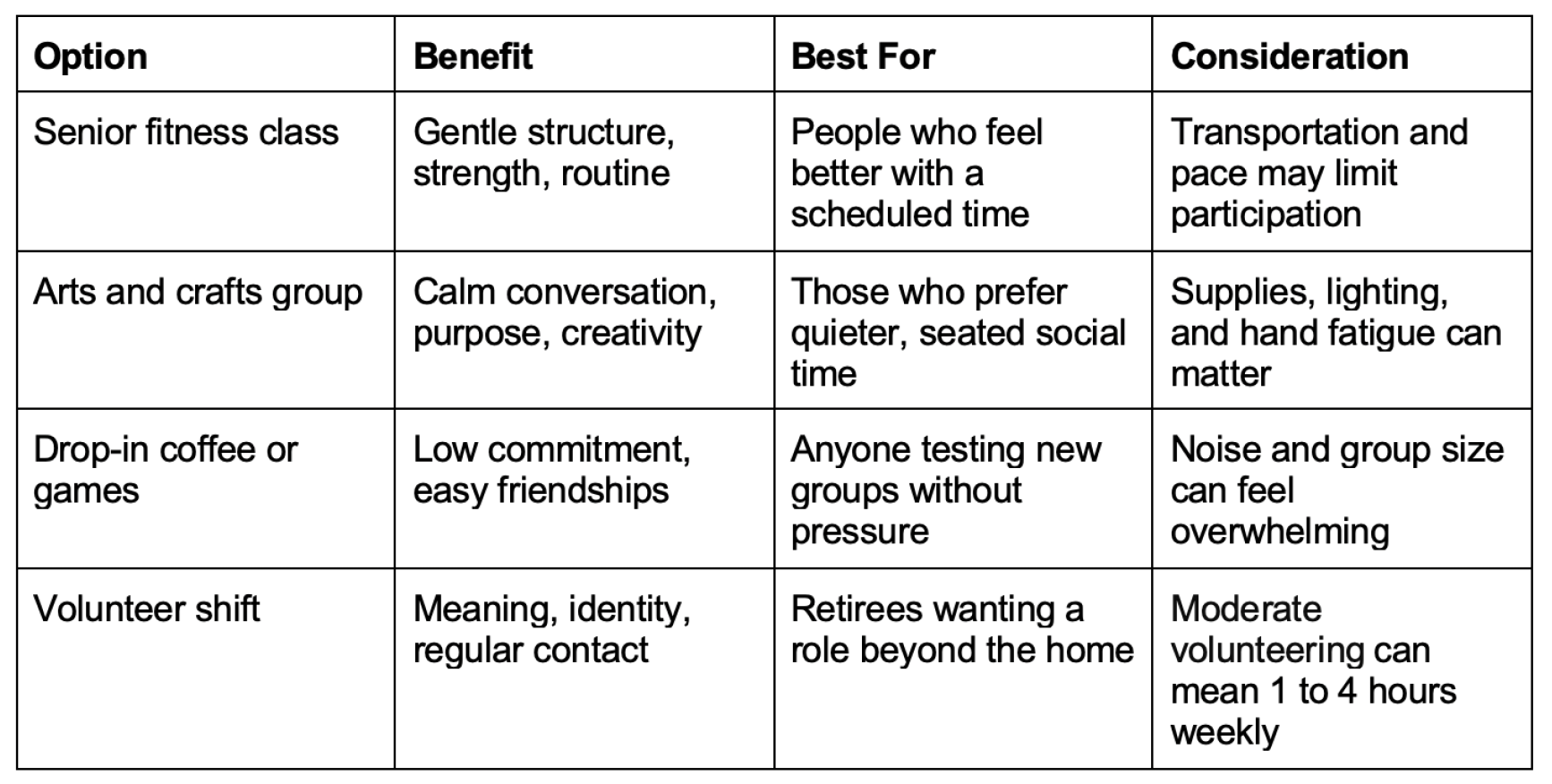
If you are unsure where to start, pick the option with the smallest barrier you can repeat for two weeks, then reassess. The best fit is the one you can return to without dread. Choosing what matches your day makes the next step feel doable.
COMMON QUESTIONS ABOUT STAYING INDEPENDENT
Q: What are effective ways to help seniors maintain their independence in daily activities despite limited family support?
A: Start by identifying the one task that creates the most stress, then add a small support that preserves control, like a weekly grocery delivery, a medication reminder, or a check-in call. Keep tools simple and visible: a single calendar, labeled cupboards, and a short daily to-do list. If safety is a worry, ask a community service or trusted neighbor to help set up a fall-prevention walk-through.
Q: How can seniors find and participate in local community activities to reduce feelings of social isolation?
A: Choose one low-pressure place to begin, such as a library event, community centre program, faith group, or a casual drop-in. Call ahead to ask about noise level, seating, and whether a volunteer can greet you at the door. Knowing that one in three seniors report loneliness can reduce shame and make reaching out feel more normal.
Q: What strategies can seniors use to stay physically healthy and active when living alone in Sechelt?
A: Build movement into routines you already do, like standing heel raises at the counter or a short walk right after breakfast. Aim for consistency over intensity, and keep a “bad weather” plan such as hallway laps or chair exercises. If motivation dips, schedule activity right before a social commitment so it feels purposeful.
Q: How can caregivers and community members support seniors in organizing and simplifying their routines to avoid feeling overwhelmed?
A: Reduce choices: one place for keys, one bill-paying day, one medical folder, and one main contact list by the phone. Use a weekly rhythm that repeats, with buffer days for rest or appointments. Caregivers can help by doing a 20-minute reset together, focusing on what removes friction rather than what looks perfect.
Q: What can seniors do if they feel stressed or uncertain when making important decisions about their daily life and care options?
A: First, name the decision in one sentence and write down what must be decided this week versus what can wait. Then use a simple filter: “Is it safe, is it affordable, and does it protect my dignity?” If the stress feels constant, prioritize sleep support and ask for a second opinion, since research on caregiving and mental well-being moderated by insomnia highlights how poor sleep can intensify strain.
Strengthening Sechelt support networks through connection and advocacy
Wanting to stay independent while also needing help can feel like a tug-of-war, especially when loneliness or a sudden health change shows up. The steady approach is to lean on key insights on elderly care: plan for safety, protect dignity, and keep relationships at the centre through senior community involvement and advocacy for elderly independence. When these proactive engagement strategies become routine, support networks for seniors grow clearer, stress eases, and daily life feels more manageable and connected. Independence lasts longer when support is welcomed early and often. This week, you can invite one person for a simple check-in, then name one need and ask for help meeting it. These small acts build the resilience that keeps Sechelt seniors healthier, safer, and connected over time.