Reconnecting with the True Meaning of Remembrance Day
 It is easy to see how the true spirit of Remembrance Day can get lost in the rhythm of an annual routine. When late October arrived, small plastic trays appeared on store counters, bright red poppies pinned themselves to lapels, and spare change dropped into donation boxes across the country. For many, November 11th has quietly transformed into a civic habit—a yearly fundraising drive wrapped in a brief two-minute pause before daily life resumes.
Yet, behind those red lapel pins lies a solemn national obligation carved out of immense sacrifice, loss, and collective duty. While supporting the Royal Canadian Legion and wearing a poppy are vital acts of community support, Remembrance Day was never meant to be reduced to a charitable campaign. It is a sacred national promise to remember the human cost of freedom, the lives forever altered by conflict, and the enduring responsibility to honor those who served. To truly observe Remembrance Day, one must look past the surface of routine rituals and reconnect with why Canadians began pausing in the first place.
A History Born from Grief and Gratitude
To understand the weight of November 11th, one must look back to the origins of the day itself. When the First World War ended on the eleventh hour of the eleventh day of the eleventh month in 1918, the nation was left reeling. More than 60,000 Canadians had lost their lives—a devastating figure for a young country with a population of less than nine million.
In 1919, King George V proclaimed Armistice Day across the British Empire to ensure that this monumental loss of life would never be forgotten. In Canada, early observances were complicated; throughout the 1920s, Armistice Day was officially observed on the same day as Thanksgiving. Tying a period of national mourning to a festive holiday felt deeply mismatched to veterans and families grieving fallen fathers, sons, and brothers.
Recognizing the need for a dedicated, sacred period of reflection, Parliament passed legislation in 1931 to fix the observance permanently on November 11th under the official name Remembrance Day. From that moment on, Canadians set aside that exact date and time—the 11th hour—to halt daily activity and hold two minutes of silence.
Over the decades, the scope of Remembrance Day expanded naturally as history unfolded. What began as a commemoration for the fallen of the First World War grew to encompass those who served in World War II, the Korean War, international peacekeeping operations, and modern conflicts such as Afghanistan.
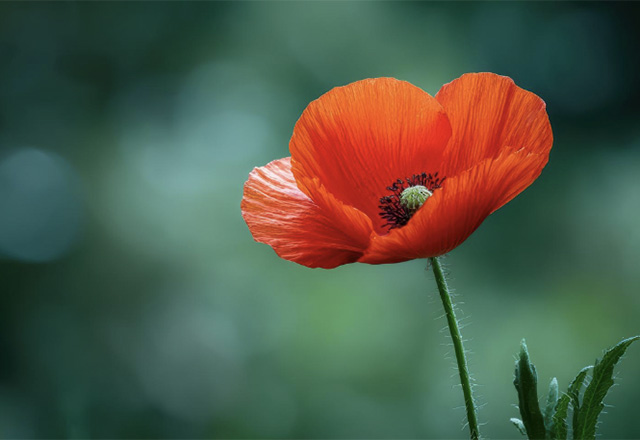
The symbol worn over the heart—the red poppy—was inspired by Canadian Lieutenant-Colonel John McCrae’s 1915 poem, “In Flanders Fields.” Adopted by the precursor to the Royal Canadian Legion in 1921, the poppy was designed as a visual pledge: We Will Remember.
Moving Beyond the Ritual
Buying a poppy directly supports veterans and their families in need. However, when these actions become purely automatic, a solemn national duty risks being reduced to a simple transaction.
Remembrance Day is not a fundraiser with a moment of silence attached; it is a moment of deep national reflection made visible through a poppy. It calls on citizens to confront the reality of war, contemplate the immense sacrifices made by ordinary young people, and pass those truths on to future generations.
Meaningful Ways to Observe
Moving beyond routine begins with intentionality. Canadians can actively engage with the true spirit of November 11th through several quiet, purposeful acts:
Observing the Two Minutes of Silence: Pausing all activity, stepping away from screens, and offering undivided focus for two minutes at
11:00 a.m.
Attending Local Services: Gathering alongside community members, veterans, and youth at local cenotaphs or memorial sites to share in collective gratitude.
Engaging with Oral Histories: Exploring first-hand accounts, letters, and memoirs through historical archives and oral history projects to understand the human experience behind military service.
Passing down the Legacy: Teaching younger generations about the significance of the red poppy and the history of Canadian service members so the duty of memory continues.
Wearing the Poppy Respectfully: Placing the poppy over the left lapel, close to the heart, from the last Friday in October until November 11th, and placing it respectfully on a local memorial at the conclusion of Remembrance Day services.
By shifting focus from passive habit to deliberate reflection, Canadians fulfill the enduring pledge made every year: Lest We Forget.